Why Drone Crop Spraying is the Future of Australian Farming
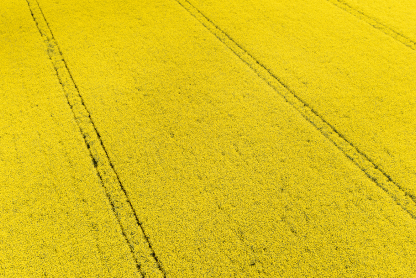
Traditional aerial application is changing. Australian farms are moving from manned planes to precision drones. Across regional Australia, drone crop spraying and fertilising provide accuracy that old methods cannot match.
This guide shows how these systems help Australian growers. It covers precision application, treating difficult terrain and essential safety rules under Australian law.
What is Drone Crop Spraying?
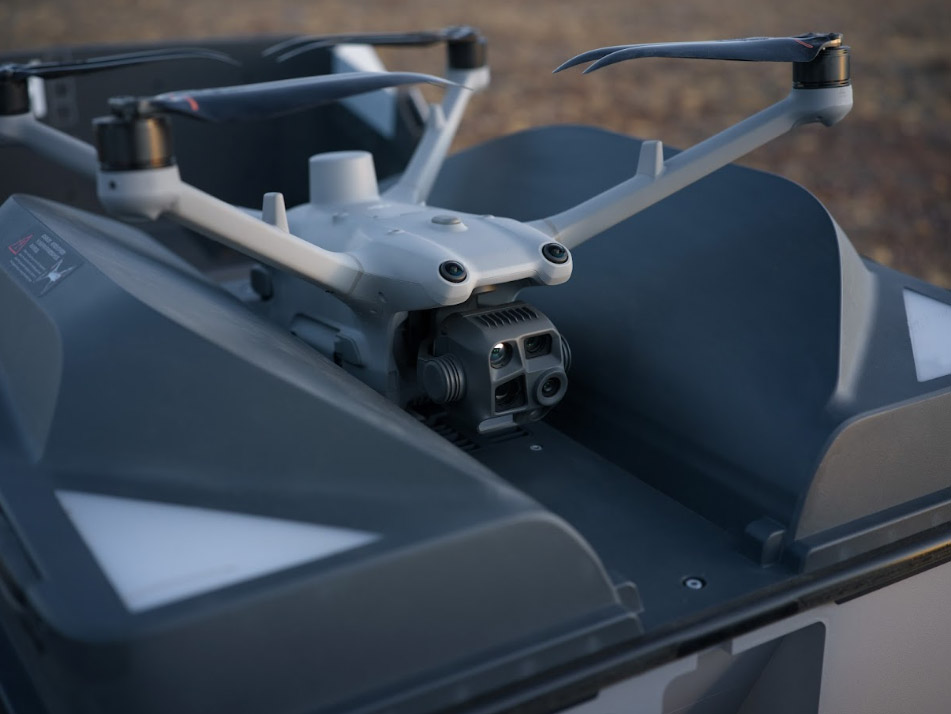
Drone crop spraying uses heavy-lift Remote Piloted Aircraft Systems (RPAS) to apply herbicides, fungicides, insecticides and fertilisers. These aircraft fly just metres above the crop. They use GPS and flow-control systems to target specific areas in a paddock. They can even vary their spray droplet size based on crop requirements.
These aircraft are also known as Unmanned Aerial Vehicles (UAV) or Remote Piloted Aircraft Systems (RPAS), the official CASA term. Throughout this guide, we use "drone" as the most widely understood term
"Crop dusting" is an old term used for it. The Australian industry now uses terms like drone crop spraying and drone crop fertilising. This reflects a move toward targeted application. These new methods avoid soil compaction and chemical drift.
Why Use Drone Crop Spraying?
Drone application is a specialised tool for specific Australian agricultural challenges. It is the primary choice for:
- Reaching inaccessible terrain such as steep hills and rocky gullies where tractors cannot go.
- Working over waterlogged paddocks without getting bogged or crushing soil.
- Managing spot spraying on small weed, insect or fungal affected patches without spraying the whole paddock.
- Operating in high-risk areas such as near power lines and watercourses where planes cannot fly.
Benefits of Drone Crop Fertilising and Spraying
Moving the application to the air helps Australian farm productivity and environmental health.
1. High Precision and Less Waste
Drones fly low and slow. This reduces "off-target drift." GPS flight paths ensure the product lands exactly where it is needed. This helps Australian growers use less chemicals and to lower their costs.
2. Protecting Soil Health
Ground spraying causes soil compaction. Heavy rigs crush soil and damage young plants. Drones have no physical contact with the earth. You can treat crops without leaving a footprint, even in wet conditions.
3. Rapid Deployment and Efficiency
Timing is vital during a pest outbreak. Drones deploy quickly to hit "hot spots" before problems spread. This keeps your crops protected without the long wait times of manned aircraft.
Regulatory Compliance and RPAS Safety in Australia
Safety drives the use of drones in Australian agriculture. Every flight follows the Civil Aviation Safety Authority (CASA) rules to ensure safe, compliant and effective operations. This means pilots are properly certified, chemicals are handled responsibly, applications are carried out with precision, and every job meets the regulatory standards required for commercial drone spraying in Australia.
- Pilot Safety: The pilot stays safely on the ground. This removes the risk of low-level flight accidents.
- CASA Certification: Commercial drone spraying requires specific certificates. This ensures pilots have the right training for flight paths and chemical handling.
- Environmental Responsibility: Strict adherence to spray drift regulations and weather monitoring (such as Delta T) ensures that fertilisers and chemicals do not impact non-target areas or local water systems.
- Digital spray logging: Every flight is recorded and available for download immediately. This includes the exact GPS path the drone took and spray statistics such as volume, times and settings. Operators no longer need to manually record spray records, making compliance a breeze.
Why Drone Spraying is a Key Tool for Sustainable Farming
Drone crop spraying is vital for efficient land management in Australia. Drones combine data with precision delivery. This helps Australian producers produce more with less. It ensures the long-term health of their land.
If you want to modernise your farm, RPAS technology is a great choice. It is safer for the operator, uses less chemicals, and is better for the environment.
Experience Precision with Field Master Systems
Field Master Systems brings the future of farming to your paddock. We combine aviation skills with local farm knowledge. We solve your toughest land management problems. Our team ensures every drop counts when battling weeds or applying nutrients. Do not let tough terrain or soil compaction stop you. Partner with specialists to protect your soil and grow your yield. Contact us today to see how our drone spraying services can help you.
FAQs
What is UAV crop dusting?
UAV crop dusting is the technical term for using an Unmanned Aerial Vehicle to apply products. Most Australian farmers now call this drone crop spraying. Drones use accurate GPS systems and special nozzles to target treatment areas with great accuracy.
Is drone crop spraying legal in Australia?
Yes, it is legal but regulated. Commercial pilots must have a Remote Pilot Licence (RePL). They must also work under a certificate from CASA and can only operate one drone at a time. Pilots often need state licences to handle agricultural chemicals safely.
How much does drone crop spraying cost?
The cost is not fixed. It depends on the size of the area and the application rate. The type of terrain also changes the price. For a clear estimate, give your operator paddock details and chemical needs.