BVLOS Drones: Everything You Need To Know about Beyond Visual Line of Sight
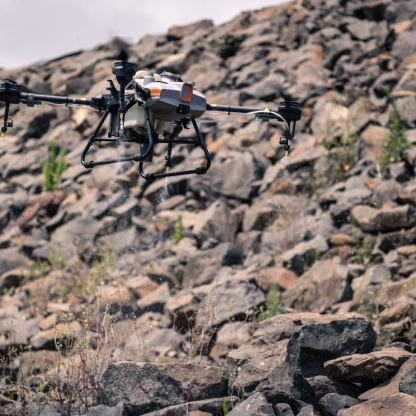
The Australian drone industry is entering a new phase of growth. Beyond visual line of sight (BVLOS) is a regulatory term that has always existed, but obtaining approval was once a lengthy and complex process. Advances in drone technology now mean that physical proximity to an aircraft is no longer required, making BVLOS operations more accessible and practical than ever before.
What is Beyond Visual Line of Sight (BVLOS)?
In simple terms, beyond visual line of sight refers to drone flights where the pilot cannot see the aircraft with their own eyes. Standard drone rules in Australia require Visual Line of Sight (VLOS), meaning the pilot must be able to see and orient the drone to avoid other aircraft or obstacles.
Extended Visual Line of Sight (EVLOS) sits between the two; the pilot uses trained observers positioned along the flight path to maintain visual contact with the drone, extending its effective range without full BVLOS approval. Each method carries its own regulatory requirements, practical advantages and limitations depending on the scale and nature of the operation.
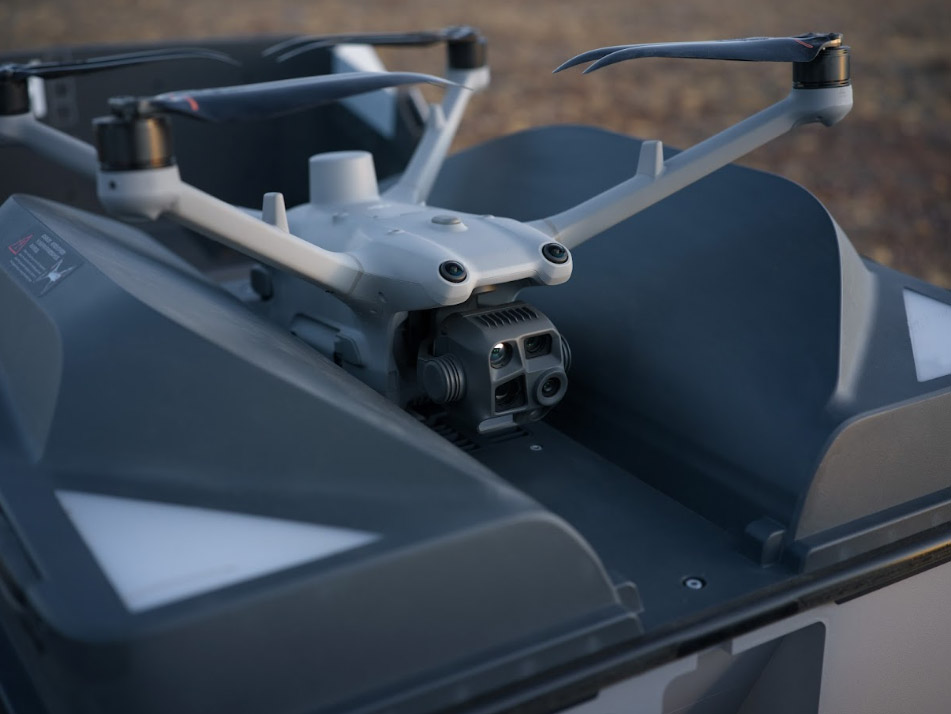
BVLOS removes this requirement. Pilots use high-tech sensors, onboard cameras and telemetry data to control the drone from a CASA certified Remote Operations Centre (ROC). In Australia, this is often done using high-end Remote Piloted Aircraft Systems (RPAS) designed for long-range missions.
Why Beyond Visual Line of Sight is a Game Changer
Before BVLOS, inspecting a 100-kilometre pipeline required a ground crew to drive alongside the asset. They would have to stop and launch the drone every few kilometres to stay within sight. This process was slow and expensive.
BVLOS approval removes the distance restrictions of traditional VLOS operations, allowing drones to fly beyond the pilot's line of sight. This transforms how drones can be deployed across Australian agriculture and industry, where assets and landholdings are spread across vast distances.
The Benefits of BVLOS Drone Operations
Operating drones over long distances provides numerous essential advantages for industrial and agricultural projects.
- Massive Scale: One pilot can monitor hundreds of kilometres of power lines or thousands of hectares of crops from a single remote operations centre (ROC), without needing to be physically present near the drone.
- Lower Operating Expenses: You no longer need to move crews and equipment across difficult terrain every few minutes. This lessens the travel time, accommodation and vehicle expenses.
- Improved Safety: Drones can enter hazardous environments as the pilot stays in a safe, controlled environment. This is ideal for inspecting high-voltage lines or remote mine sites.
Beyond Visual Line of Sight Regulations in Australia
Operating BVLOS is not as simple as it sounds. The Civil Aviation Safety Authority (CASA) has strict rules to keep the skies safe. To fly BVLOS in Australia, an organisation must hold a Remotely Piloted Aircraft Operator's Certificate (ReOC).
The pilot must also pass the BVLOS Outside of Controlled Airspace (OCTA) exam or hold an Instrument Rating (IREX). Most importantly, every mission requires a Specific Operations Risk Assessment (SORA). This safety case demonstrates that the operator has the appropriate procedures to prevent mid-air collisions and protect people on the ground.
CASA is currently running a 12-month trial for broad area BVLOS approvals. This trial aims to make it easier for qualified operators to fly over sparsely populated areas without needing a new permit for every single paddock.
Common Applications for BVLOS Drones
Many Australian industries are already seeing the rewards of long-range drone flight.
1. Linear Infrastructure Inspection
BVLOS drones are the perfect tool for monitoring "linear" assets. This includes railway lines, water pipelines and electricity grids. Instead of using expensive helicopters, companies use drones to look for structural issues or overgrown vegetation.
2. Wide Area Environmental Surveys
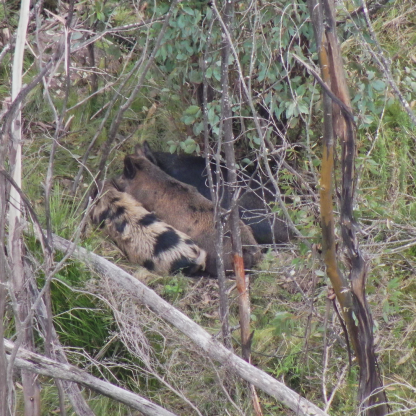
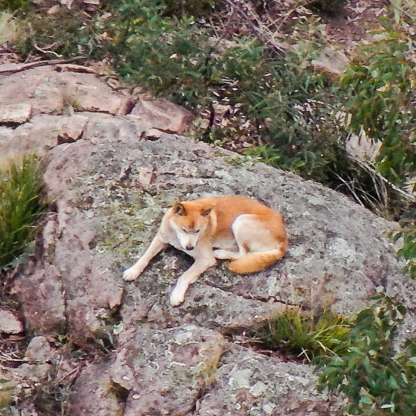
For conservation projects, drones can survey vast national parks to track feral animal populations or monitor forest health. One flight can cover an area that would take a ground team weeks to traverse on foot.
3. Precision Agriculture at Scale
On large broadacre farms, BVLOS drones can map an entire property in a single morning. They identify water stress or weed outbreaks across thousands of hectares, providing data that helps farmers make fast decisions.
4. Rapid Response in Remote or Inaccessible Areas
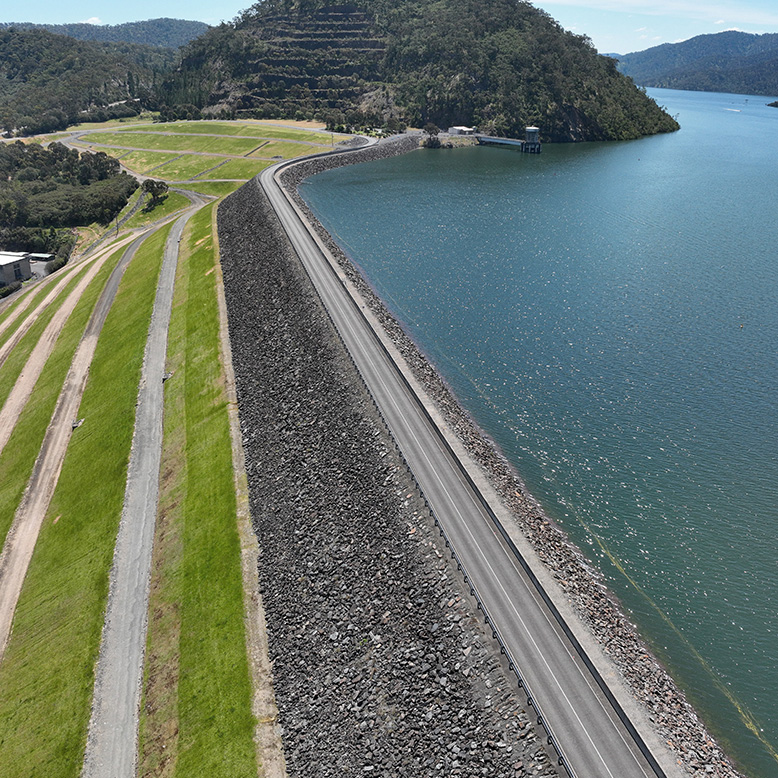
Something like: Large, sensitive and difficult to reach sites such as drinking water reservoirs, blocked highways, disaster sites and mines require rapid response to security threats or incidents. Sending a pilot to these sites can take hours or even days. Having a remote drone already on site that can be launched within minutes allows for rapid assessment of quickly unfolding situations.
Is BVLOS Right for Your Project?
BVLOS is a high-end method for large-scale tasks. If your project involves small areas or simple aerial photos, standard drone flights are usually enough. However, if you need to monitor assets across regional Australia, respond rapidly to remote sites or survey hundreds of hectares, BVLOS is the most efficient choice.
The process of gaining approvals requires technical skill and strict safety procedures. Working with an experienced partner ensures your project remains compliant while delivering the best results from the technology.
Experience Precision with Field Master Systems
Field Master Systems is a leader in advanced drone technology for the Australian landscape. We provide the expertise needed to manage large-scale missions with total accuracy. From high-resolution drone mapping to targeted environmental surveys, our team ensures your data is reliable and your operations are safe. Do not let distance or tough terrain slow your business down. Partner with us to tap into the full potential of your land and assets. Contact us today to discuss how our beyond visual line of sight capabilities can help your project.
FAQs
What is the difference between VLOS and BVLOS (Beyond Visual Line of Sight)?
Visual Line of Sight (VLOS) means the pilot keeps direct eye contact with the drone. This helps them monitor its position and avoid obstacles. Beyond Visual Line of Sight (BVLOS) allows the aircraft to fly outside the pilot's natural vision. While some overseas regulators specify a maximum VLOS distance, CASA does not. BVLOS uses remote sensors to support missions over much greater distances.
What qualifications are required for BVLOS flight in Australia?
To fly BVLOS for work, a pilot must hold a Remote Pilot Licence (RePL). They also need to pass the CASA IREX exam or the BVLOS OCTA exam. The business must hold a Remotely Piloted Aircraft Operator's Certificate (ReOC) with specific approvals. Each flight needs a risk assessment approved by the Civil Aviation Safety Authority. The operator must also have a CASA approved Remote Operations Centre (ROC) from which they must fly.
How much does it cost to obtain BVLOS approval?
The cost of a BVLOS approval depends on the project size and the approval pathway taken. If self-assessing without CASA involvement, the main cost is the operator's time. Where CASA approval is required, fees include application costs and the development of a safety case. You may also need to pay for equipment upgrades like detect-and-avoid sensors. Since every mission has different safety needs, ask an operator for a custom quote based on your flight area.