Effective Weed Management Strategies for Farmers: Tips and Techniques
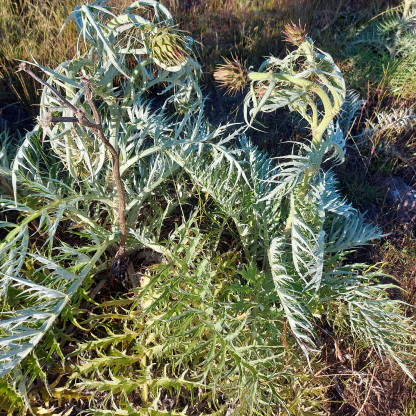
Effective weed management is often the difference between a profitable harvest and a costly headache for Australian farmers. With invasive species costing the industry over $4 billion annually, the old "spray and pray" approach is no longer viable or sustainable.
Today, winning the war on weeds requires precision, not just volume. By blending time-tested agricultural science with cutting-edge drone technology, you can suppress infestations, protect your soil, and significantly reduce chemical inputs.
What is Integrated Weed Management (IWM)?
Integrated Weed Management (IWM) is a strategic approach that combines physical, cultural, biological and chemical tactics to control weed populations effectively. Instead of relying solely on herbicide application, IWM aims to make the cropping system less favourable for weeds to survive and reproduce.
The primary goal of this method is to deplete the "weed seed bank" in the soil. By targeting weeds at different stages of their lifecycle, farmers can delay or prevent the development of herbicide resistance, a critical issue threatening Australian agriculture.
Core Techniques for Modern Weeding Farming
To implement a successful program, you need to diversify your attack plan. Effective weed farming requires a mix of the following control methods to ensure no single species becomes dominant.
1. Cultural Control
This is your first line of defence. It involves altering farming practices to give your crops the advantage over invasive species.
- Crop Rotation: Rotating between broadleaf and cereal crops disrupts the lifecycle of specific weeds.
- Hygiene: Thoroughly clean machinery and vehicles to prevent transferring seeds between paddocks.
- Competition: Increasing seeding rates or narrowing row spacing helps the crop canopy close faster, shading out competitors.
2. Physical and Mechanical Control
These methods physically destroy the plant or prevent germination.
- Tillage: Strategic tilling can bury seeds deep enough to prevent germination, though this must be balanced with soil moisture and carbon conservation.
- Slashing and Mowing: Cutting weeds before they set seed significantly reduces future populations.
- Harvest Weed Seed Control (HWSC): capturing and destroying weed seeds during the harvest process to stop them from returning to the soil.
3. Chemical Control
Herbicides remain a vital tool but should be used judiciously to maintain their efficacy.
- Rotation of Modes of Action: Rotate chemical groups to reduce the pressure for resistance.
- Double Knock Technique: Applying two different herbicides with distinct modes of action in quick succession to ensure any survivors of the first pass are eliminated.
Summary of Core Weed Management Techniques
The following table provides a quick reference guide to the primary control methods used in Integrated Weed Management (IWM) for Australian farming systems.
How Drone Technology Revolutionises Weed Management
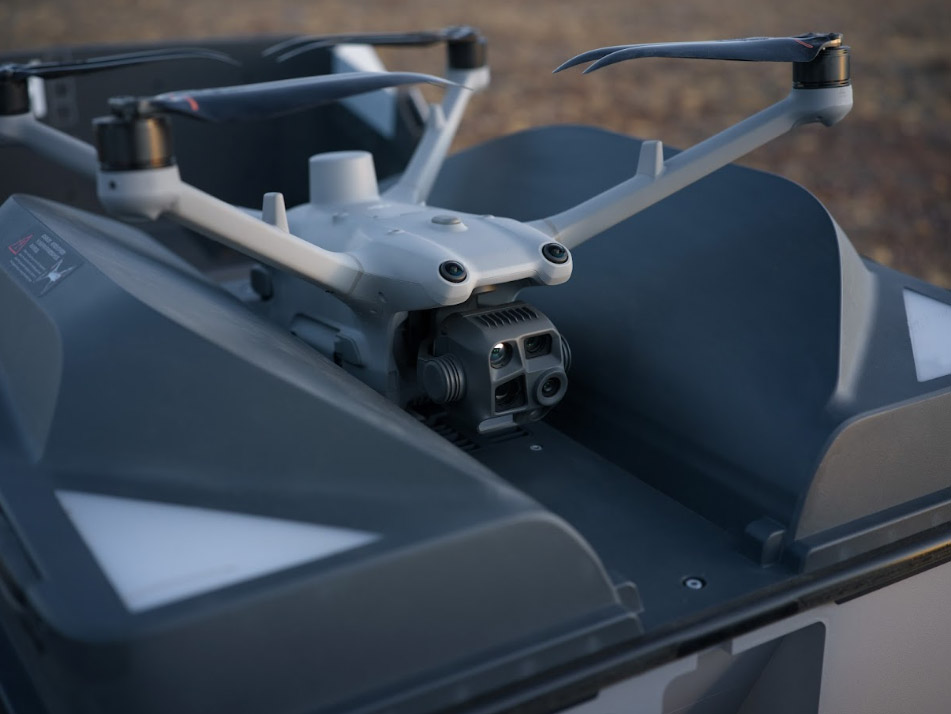
While traditional machinery efficiently handles broadacre cropping on flat, accessible land, it can face challenges when conditions are less than ideal. Flooded paddocks, wet soils, or time-sensitive spraying windows can limit the effectiveness of ground-based operations. By using drones to move spraying operations from the ground to the air, land managers can overcome these logistical barriers and maintain consistent crop protection.
1. Accessing Difficult Terrain
Certain areas, such as paddocks affected by flooding or soggy soils, can be difficult or unsafe for tractors and traditional machinery. Drones can operate in these conditions without risking equipment or delaying treatment, ensuring weeds and other issues are addressed promptly before they impact yields.
2. Precision Spot Spraying
Blanket spraying entire paddocks for scattered weed patches is inefficient and costly. Advanced drones utilise "spot spraying" technology.
- Cost Reduction: By targeting only the weed and ignoring the surrounding pasture, you can reduce chemical volume from 30-80%.
- Environmental Safety: Targeted drone applications greatly reduce chemical runoff into waterways and protect non-target native vegetation. Drones can also achieve more effective coverage than hand or ground-based spraying, as the downforce from their propellers helps push herbicide beneath the leaves, ensuring thorough treatment.
3. Aerial Mapping and Monitoring
You cannot manage what you cannot measure. Multispectral cameras can detect weed stress and density levels that are invisible to the naked eye. This technology is particularly valuable in cropping situations (where a single species like wheat, corn, or cotton dominates) enabling precise monitoring and targeted treatment. In these cases, the collected data can be used to create precise “prescription maps” that guide the spray drone to exact coordinates, maximising efficiency and achieving near-complete control on the first pass.
For pasture weeds such as gorse and blackberry, multispectral imaging is less applicable due to the mixed-species environment and more complex vegetation.
When is the Best Time to Spray Weeds in Australia?
Timing is the single most critical factor in herbicide efficacy. Spraying at the wrong growth stage is essentially pouring money down the drain. To maximise uptake and translocation, ensure your provider follows Victoria's seasonal guidelines. This is one of the key questions to ask your spray drone operator before you hire them.
Annual Weeds (e.g. Capeweed, Paterson's Curse)
- Best Time: Autumn to early Winter.
- Target Stage: Young rosette stage.
- Why: When weeds are small and actively growing, they have thinner waxy cuticles. This allows the herbicide to penetrate easily. Treating them before they send up a flower stalk (bolting) prevents seed set for the following year.
Woody Weeds (e.g. Blackberry, Gorse)
- Best Time: Late Spring to early Autumn (flowering to post-flowering).
- Target Stage: Active growth phase.
- Why: Timing is critical for effective control. For gorse, spraying during its active growth phase ensures the chemical is transported from the leaves down to the roots, killing the entire plant rather than just scorching the foliage. Blackberry has a different optimal spray season, so it requires separate timing to achieve the same root-kill effect.
Bulbous & Perennial Weeds (e.g., Artichoke Thistle, Paterson’s Curse, Scotch Thistle)
- Best Time: Late Winter to early Spring (just before flowering)
- Target Stage: When the old plant is exhausted, and new growth is just emerging
- Why: Spraying at this stage targets the plant when it is most vulnerable (after the old growth has weakened but before the new growth is fully established) maximising effectiveness and reducing the chance of regrowth.
Critical Weather Conditions for Spraying Regardless of the season, strictly adhere to these weather rules to prevent drift and ensure safety:
- Wind Speed: Ideally between 3–13 km/h. Never spray in dead calm (inversion risk) or high winds.
- Delta T: Aim for a Delta T between 2 and 8.
- Rainfastness: Ensure no rain is forecast for at least 2–6 hours after application (check label specifics).
Quick Guide: Best Time to Spray Weeds in Victoria
This table provides a snapshot of the optimal spraying windows for common Australian weed groups. Always verify with your local agronomist, as regional weather patterns (like a late seasonal break) can shift these windows.
Reclaim Your Difficult Terrain with Precision Aviation
Weeds don’t wait, and neither should you. If you are battling infestations on steep terrain or wasting budget on blanket applications, it’s time to upgrade your strategy. Field Master Systems delivers the future of farming directly to your paddock.
Our advanced fleet accesses areas tractors cannot, like steep gullies, creek banks, and rocky outcrops, treating invasive species with surgical accuracy. By switching to precision drone spraying services, you protect your soil structure and save up to 70% on chemical costs, hitting the weed while preserving your valuable pasture. Contact us today for a site assessment and experience the difference precision makes.
FAQs
How long after spraying weeds can I graze stock?
This depends entirely on the chemical used and the type of weed.
- For Glyphosate: The general withholding period is 7 days for perennial weeds and 1 day for annuals. However, it is best practice to wait at least 7 days to ensure the herbicide has fully translocated to the roots before the leaf is eaten or trampled.
- For Woody Weed Killers (e.g., Grazon Extra): While some specific labels state there is "no withholding period" for domestic grazing, poisonous plants (like Capeweed or Paterson's Curse) often become sweeter and more palatable to stock as they die. You must keep stock off treated paddocks until these toxic weeds have completely browned out and died to prevent poisoning.
Does rain wash off weed killer?
Yes, rain can wash herbicide off the leaf before it is absorbed. The "rainfast" period varies by product:
- Glyphosate (Standard 450): Typically requires 6 hours without rain.
- Glyphosate (Bioactive/Rapid): Can be rainfast in as little as 1–2 hours.
- Woody Weed Herbicides: Generally require 1 hour, but always check the specific label. Rule of Thumb: If rain is forecast within 6 hours, do not spray. The cost of re-spraying outweighs the risk.
What is the best "Delta T" for spraying?
"Delta T" is the standard indicator for spraying conditions in Australia, measuring the relationship between temperature and humidity.
- Ideal Range: Delta T between 2 and 8.
- Avoid: A Delta T above 10 (droplets evaporate too fast) or below 2 (risk of temperature inversion, where chemicals float away rather than settling).
Tip: Never spray when the wind is dead calm (0 km/h) or gusting above 20 km/h.