How Remote Drone Operations Are Changing Asset Inspections in Australia
Asset owners with regular inspection obligations have a familiar operational problem. Pipelines, dam walls, wind turbines, solar arrays, and remote infrastructure all need eyes on them on a regular cadence. Each inspection requires a crew on site, which means travel time, mobilisation costs, access coordination, and a limit on how often inspections can realistically happen.
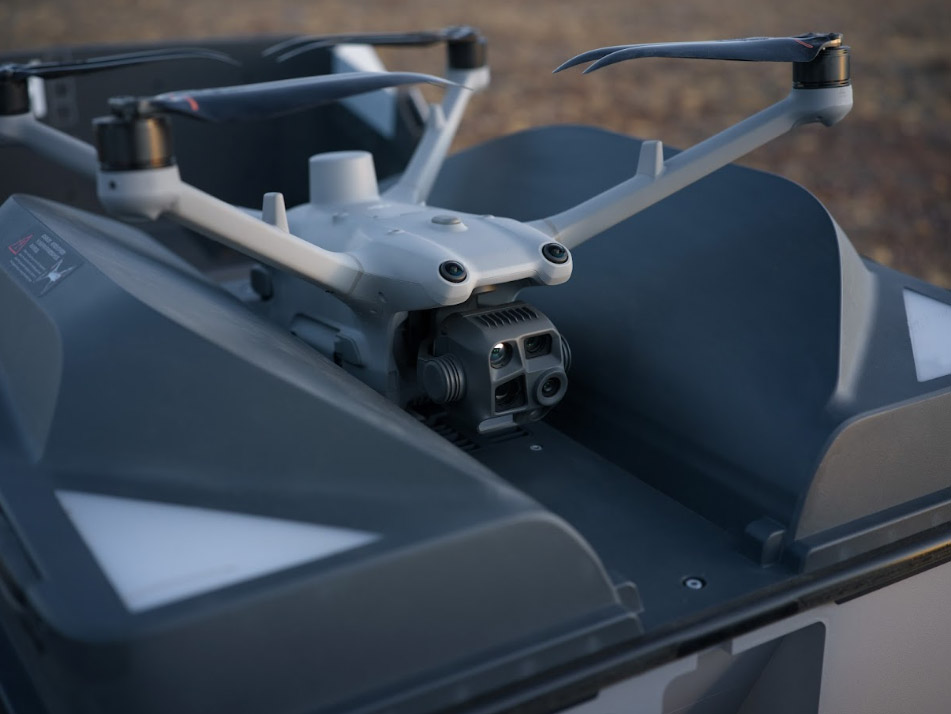
Remote drone operations change that equation. With drone-in-a-box technology installed at the asset and beyond visual line of sight (BVLOS) certification covering the flight, inspections can be commissioned and completed without anyone travelling to site. Field Master Systems operates this service from a CASA accredited remote drone operations centre using DJI Dock 3 drone-in-a-box platforms.
What Drone-in-a-Box Technology Does
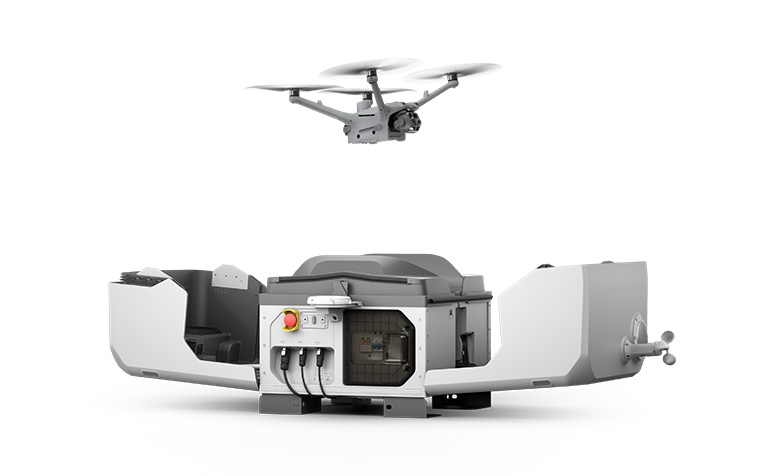
A drone-in-a-box system is a weatherproof, self-contained docking station installed at or near the asset. It houses the drone, charges it wirelessly between missions, and supports repeated deployment without crew presence on site.
Field Master Systems uses the DJI Dock 3, currently one of the most capable drone-in-a-box platforms available commercially. It supports high-resolution visual and thermal imaging payloads, transmits data in real time to the remote operations centre, and operates across a range of environmental conditions. Once installed at a location, it removes the need for crew mobilisation from every subsequent inspection. Our drone-in-a-box article goes into more detail on how the Dock 3 works in practice.
The dock is one half of the service. A drone sitting at a remote site only becomes useful when qualified pilots can launch, manage, and recover missions from somewhere else. That is what the remote operations centre provides.
How BVLOS and the Remote Operations Centre Fit Together
Operating a drone beyond the pilot's visual line of sight (VLOS) requires specific certification in Australia. Standard drone operations require the pilot to maintain visual line of sight with the aircraft throughout the flight. BVLOS operations, where the drone flies beyond direct visual observation, require CASA certification separate from the standard remote pilot licence. For more on what BVLOS means and how the certification works, see the article on BVLOS drones in Australia.
Field Master Systems has completed CASA's BVLOS approval process and is certified to self assess and conduct BVLOS missions from its remote operations centre. The remote operations centre is the infrastructure that connects the certification to the work. Qualified pilots monitor missions in real time, watching telemetry, imagery, and flight data, with the authority and capability to take control of any flight at any point.
Flights typically follow pre-planned automated routes designed for the inspection task. Pilots supervise the entire mission and intervene as conditions require. The combination of pre-planned route execution and live human supervision is what makes BVLOS remote operations safe, repeatable, and compliant with the regulatory framework.
What This Enables for Asset Owners
For organisations with legislative inspection obligations or assets in remote locations, the operational model shifts. Surveys that previously required crew mobilisation can be scheduled and completed remotely, on demand, without the lead time or cost of a field deployment.
The service supports:
- Inspections without site visits
- More frequent visibility across assets
- Faster response when issues or events occur
- Coverage of large or hard-to-access areas
Mission outputs come back as structured deliverables. High-resolution visual and thermal imagery is timestamped and georeferenced for each flight. Summary documentation is structured for compliance and reporting use. The methodology is repeatable across inspection cycles, so condition data is comparable from one survey to the next.
Where Remote Drone Operations Apply
Remote drone operations suit any organisation that needs regular aerial data collection from assets or sites where crew mobilisation is costly, logistically complex, or operationally disruptive. Current priority applications for Field Master Systems include water utilities and energy infrastructure, with the service extending to government land management, security and surveillance, infrastructure inspection, mining and supporting other drone operators who need BVLOS capability.
Water Utilities
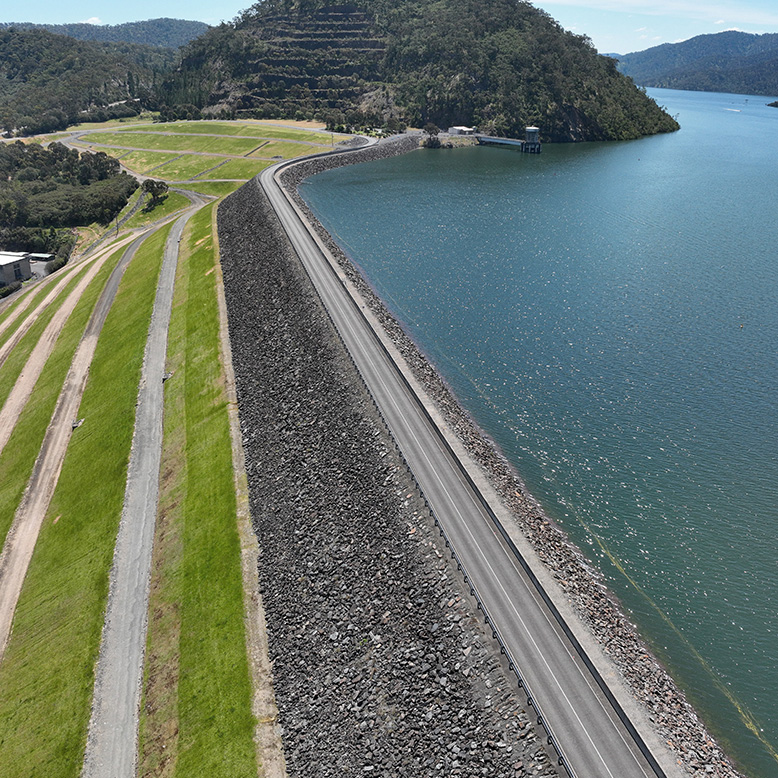
Water utilities carry legislative obligations to inspect infrastructure on a regular basis. Pipelines, reservoirs, treatment facilities, dam walls, and distribution networks require ongoing monitoring, and the cost of deploying inspection crews to remote or difficult-access sites is a significant operational consideration.
Remote drone operations give water utilities the ability to conduct aerial inspections without sending personnel to site. Thermal imaging detects anomalies that visual inspection can miss. GPS-referenced imagery documents asset conditions over time. Data is delivered in structured formats that slot into existing asset management platforms and compliance reporting frameworks. The service also allows rapid response to security incidents for organisations managing drinking water infrastructure and hydroelectric dams.
Field Master Systems has existing experience identifying structural issues on water infrastructure, including weed growth that compromises dam wall integrity. The dam wall weed control case study shows the kind of issue this work surfaces. Remote BVLOS operations extend this capability to assets that were previously impractical to inspect regularly.
Wind and Solar Farms
Wind turbines and solar installations require periodic inspection for structural integrity, panel degradation, and performance issues. Many installations are in locations where crew mobilisation is time-consuming and expensive, and inspection programs that depend on manual access are often deferred.
Drone-in-a-box systems deployed at or near an installation enable qualified pilots to conduct on-demand aerial inspections without crew travel. Thermal cameras identify panel hot spots, structural anomalies, and performance issues across large arrays. The data supports maintenance planning, warranty claims, and investor reporting.
Government Agencies and Land Managers
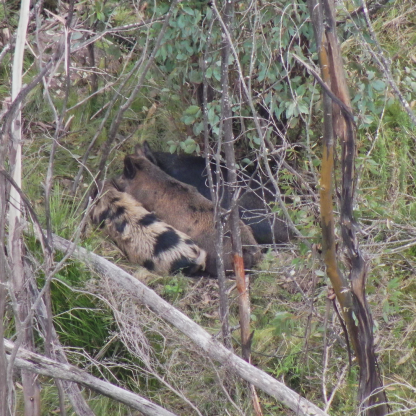
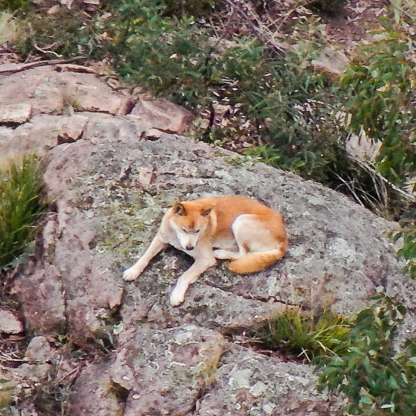
Government agencies managing national parks, conservation reserves, water catchments, and public land often need to monitor large remote areas on a regular basis. Where the requirement is feral animal detection, environmental compliance, or asset monitoring across difficult terrain, remote drone operations provide a repeatable survey capability without the cost and logistics of deploying ground teams to site.
Field Master Systems also works with agencies that have drone programs in place without their own BVLOS capability.
Security and Surveillance
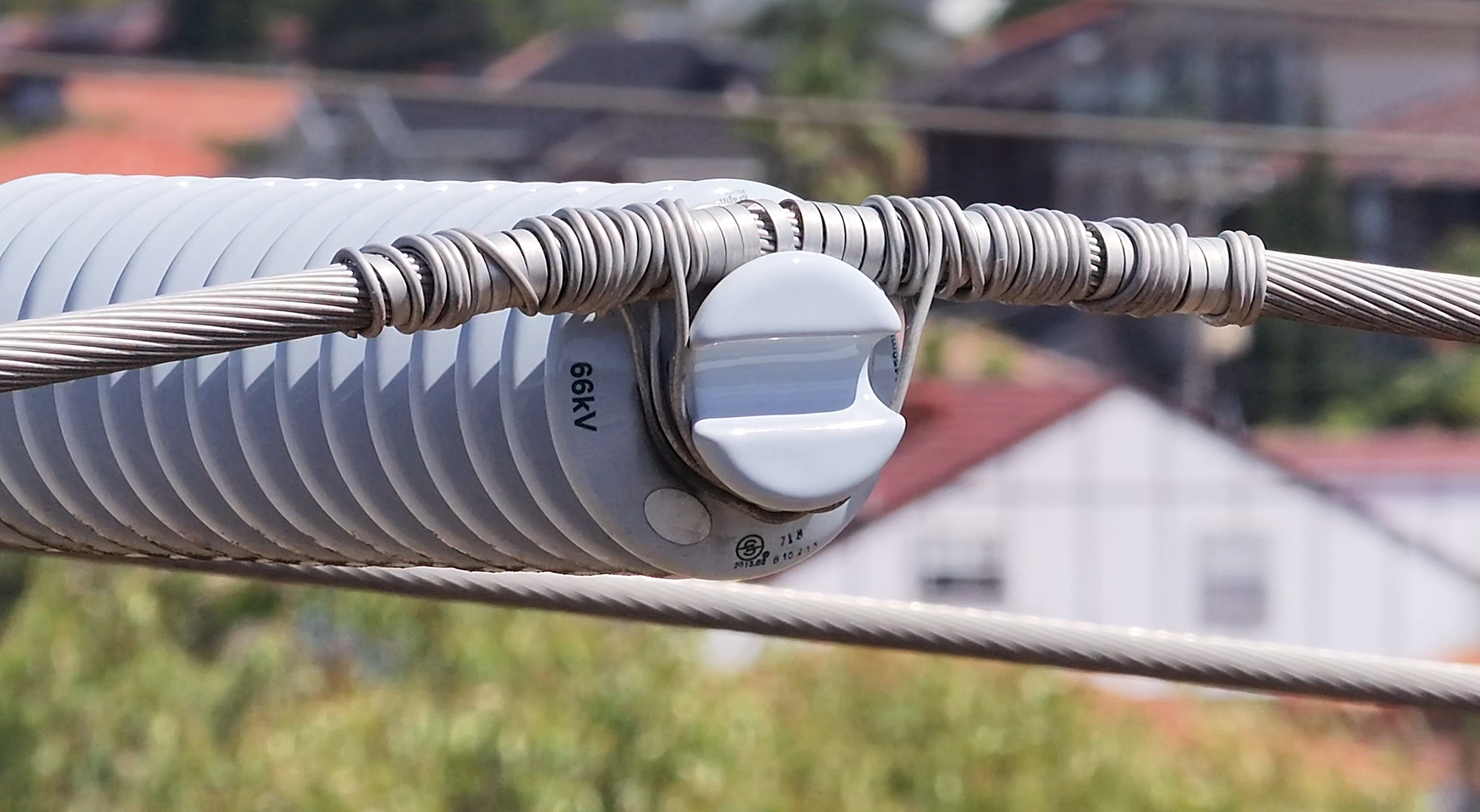
Organisations that need persistent aerial monitoring of sites, boundaries, or infrastructure can use BVLOS remote drone operations to maintain visibility without a permanent on-site presence. This is particularly relevant for large facilities, remote assets, and situations where rapid aerial response is needed without crew deployment.
Infrastructure and Construction
Infrastructure projects and construction programs that require regular aerial progress monitoring, site surveys, or compliance documentation across large or active sites benefit from the ability to commission flights remotely without disrupting ground operations. Drone-based data collection integrates with standard project management and reporting workflows.
Other Drone Operators
BVLOS certification and remote operations centre accreditation involve substantial regulatory and infrastructure investment. For drone operators, DJI retailers, and service providers who want to offer BVLOS or drone-in-a-box capability without going through the CASA approval process themselves, Field Master Systems offers ROC access and subcontracted mission delivery. Missions are flown and managed by Field Master Systems' qualified pilots from the certified remote operations centre, with delivery structured around the partner operator's client requirements.
What the Service Delivers
Every remote drone operation is managed by qualified pilots at the Field Master Systems remote operations centre. Outputs are structured for practical use:
- High-resolution visual and thermal imagery, timestamped and georeferenced for each mission
- Summary documentation structured for compliance and reporting use
- Repeatable survey methodology that produces consistent data across successive inspection cycles
The service is designed around what the client needs to do with the data. Before deployment, Field Master Systems works with each client to understand the inspection objectives, reporting requirements, and operational constraints, so the survey program is designed to produce outputs that are immediately useful. Additional payloads such as spotlights and speakers can be added for specific use cases including night operations and bird scaring.
Frequently Asked Questions
What is a drone in a box?
A drone-in-a-box system is a self-contained, weatherproof docking station that houses and charges a drone between missions, enabling qualified pilots to launch and manage flights remotely without a crew present on location. Field Master Systems uses the DJI Dock 3, currently one of the most capable drone-in-a-box platforms available commercially.
What is BVLOS drone operation?
Beyond visual line of sight (BVLOS) operation means the drone flies beyond the range where the pilot can see it directly with the naked eye. In Australia, BVLOS operations require specific CASA certification. Field Master Systems holds this certification and operates BVLOS missions from a dedicated remote operations centre.
Does the service require personnel on site?
No. Once the DJI Dock 3 system is installed at the asset location, missions are managed entirely from the Field Master Systems remote operations centre. Qualified pilots conduct and monitor every flight in real time without anyone travelling to site.
What types of assets can be inspected using remote drone operations?
Remote drone operations are suited to any asset that requires regular aerial inspection and where crew mobilisation to site is costly or logistically complex. Current applications include water utility infrastructure, dam walls, wind turbines, solar installations, pipelines, and other remote or difficult-access assets.
Is this service available across Australia?
Field Master Systems is based in Victoria and works with clients across Australia. Get in touch to discuss your requirements and service availability for your location.
Can other drone operators use Field Master Systems' BVLOS capability?
Yes. Field Master Systems offers ROC access and subcontracted mission delivery for drone operators, DJI retailers, and service providers who want to offer BVLOS or drone-in-a-box capability without going through the CASA approval process themselves. Get in touch to discuss subcontracting or ROC access arrangements.
Remote Operations as Part of Your Inspection Program
The asset stays where it is, the drone stays at the asset, and the pilots stay at the remote operations centre. For asset owners with legislative inspection obligations, remote infrastructure, or inspection programs constrained by access logistics, remote drone operations change the economics of regular monitoring.
To explore how remote drone operations could fit your inspection program, contact the Field Master Systems team.